Enter product details (such as color, size, materials etc.) and other specific requirements to receive an accurate quote.
leave a message
If you are interested in our products and want to know more details,please leave a message here,we will reply you as soon as we can.
other

Blogs

  • What Does Tableware Include?
    What Does Tableware Include?
    Aug 27, 2026
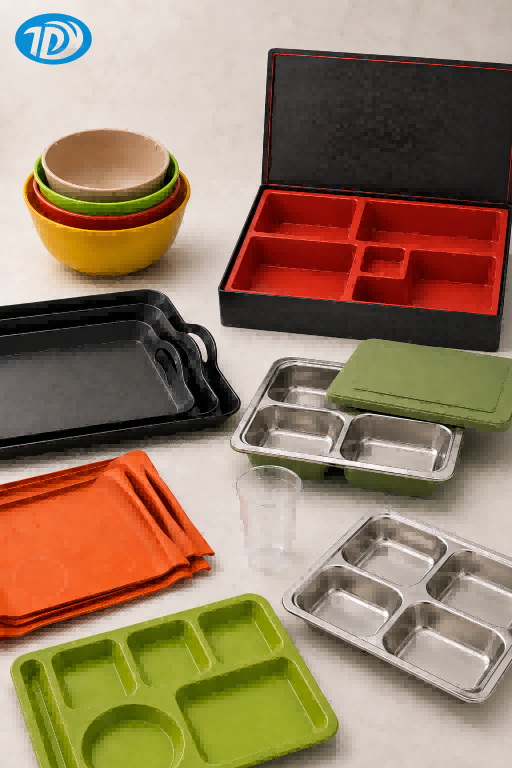
    When people hear tableware, they often think of plates, bowls, and cups. In fact, tableware includes a wider range of products used for serving, presenting, portioning, and eating food. For restaurants, hotels, cafeterias, schools, hospitals, and catering companies, commercial tableware also needs to meet requirements for durability, easy cleaning, storage efficiency, and repeated use. Main Types of Tableware Plates and Bowls Plates and bowls are the most basic tableware products and are used for serving main dishes, rice, soup, side dishes, and other foods. Common materials include plastic, stainless steel, melamine, and ceramic. Reusable PP plastic plates and bowls are widely used in cafeterias, schools, hospitals, and institutional foodservice because they are lightweight and practical for daily use. Serving Trays Serving trays help carry food, drinks, and tableware efficiently. Common options include: · Standard serving trays · Serving trays with handles · Anti-slip trays · Round and rectangular trays Commercial serving trays are widely used in hotels, restaurants, cafeterias, fast-food restaurants, and catering operations. Compartment Trays Compartment trays separate different foods within one tray, helping improve portion control and meal organization. They are commonly used in: · Schools · Hospitals · Corporate cafeterias · Factory canteens · Institutional catering Pacific Plastic supplies reusable PP compartment trays in different sizes and compartment layouts. Lunch Boxes and Meal Containers Lunch boxes are also an important part of modern foodservice tableware, especially for meal preparation, distribution, and takeaway. Common options include: · Plastic lunch boxes · Executive lunch boxes · Stainless steel lunch boxes · Plastic-coated stainless steel lunch boxes These products are suitable for cafeterias, central kitchens, hospitals, schools, corporate catering, and meal delivery operations. Cups, and Other Tableware Tableware can also include cups, mugs, spoons, forks, knives, serving utensils, and other accessories used during meal service. Common Tableware Materials Commercial tableware is available in different materials depending on the application. PP plastic is widely used for plates, bowls, compartment trays, and lunch boxes because it is lightweight and suitable for reusable foodservice applications. Melamine is commonly used in restaurants, hotels, and catering environments. Stainless steel is suitable for lunch boxes, meal plates, and institutional tableware where durability is especially important. Pacific Plastic Tableware Solutions Pacific Plastic manufactures reusable tableware and foodservice products for B2B customers, including: · Commercial serving trays · Anti-slip trays · PP plates and bowls · Compartment trays · Executive lunch boxes · Stainless steel lunch boxes and plates · Plastic-coated lunch boxes · Insulated food containers Products are suitable for hotels, restaurants, schools, hospitals, cafeterias, central kitchens, catering companies, and institutional meal service. OEM/ODM customization is available for different sizes, colors, structures, logos, and packaging requirements. Conclusion So, what does tableware include? Tableware includes more than just plates and bowls. It can cover serving trays, compartment trays, lunch boxes, cups, and other products used throughout foodservice operations. For commercial buyers, choosing the right tableware can help improve meal service efficiency, durability, storage, and daily operation.  
    Read More
  • Best Types of Materials for Durable Serving Trays
    Best Types of Materials for Durable Serving Trays
    Aug 25, 2026
    Serving trays are widely used in restaurants, hotels, cafeterias, hospitals, schools, catering operations, and other commercial foodservice environments. Since trays are handled, stacked, washed, and transported frequently, selecting the right material is essential for long-term performance. The best serving tray material depends on its application, required durability, temperature resistance, cleaning method, appearance, and budget. Below are four common materials used for durable commercial serving trays. 1. Polypropylene (PP) Polypropylene is one of the most widely used materials for commercial serving trays. It offers a practical balance between durability, low weight, chemical resistance, and cost. PP serving trays are resistant to moisture and many common cleaning chemicals. They are also easy to clean and suitable for repeated daily use. Their lightweight construction makes them convenient for high-volume operations such as school cafeterias, staff canteens, hospitals, and quick-service restaurants. A serving tray with compartments is commonly produced from PP because the material can be molded into different shapes and compartment configurations. This helps separate main dishes, side dishes, fruit, and other food items during meal service. Main advantages include: Lightweight and easy to carry Good impact resistance Resistant to moisture and common chemicals Suitable for different colors and molded structures Cost-effective for large-volume purchasing Recyclable under appropriate local systems PP is often the preferred option for buyers seeking practical and economical trays for institutional catering. 2. ABS Plastic ABS is an engineering plastic known for its rigidity, dimensional stability, and impact resistance. Compared with standard PP, ABS trays generally provide a more solid feel and a smoother surface. This material is well suited to hotel rooms, restaurants, cafés, catering operations, and foodservice environments where both appearance and structural strength are important. An ABS serving tray with handles can provide a firm grip and stable support when carrying beverages, tableware, or packaged food. Main advantages include: High rigidity and structural stability Good impact resistance Smooth and professional appearance Suitable for molded handles and raised edges Available in different colors and finishes When selecting ABS trays for foodservice applications, buyers should confirm the intended food-contact conditions and applicable regulatory requirements with the manufacturer. 3. Melamine Melamine serving trays provide a hard surface and a refined appearance. They are commonly selected for restaurants, hotels, buffets, cafés, and presentation-focused foodservice environments. Melamine can reproduce different colors, patterns, and surface effects, making it suitable for businesses that require trays to match a particular interior or brand style. Main advantages include: Hard and smooth surface Good scratch resistance during normal use Wide range of colors and decorative patterns Premium appearance Easy-to-clean construction Melamine trays should be used according to the manufacturer’s temperature and cleaning instructions. They are generally not intended for microwave use. 4. Stainless Steel Stainless steel is suitable for environments that prioritize strength, hygiene, and long-term service life. It is commonly used in hospitals, schools, military facilities, industrial canteens, central kitchens, and institutional catering. A stainless steel serving tray with compartments provides a rigid meal-service solution that can withstand frequent washing and intensive handling. Stainless steel trays are heavier than plastic alternatives, but they offer excellent resistance to corrosion and deformation when the appropriate grade is selected. Main advantages include: High mechanical strength Long service life Corrosion-resistant surface Easy to clean and sanitize Suitable for demanding institutional applications Stainless steel is a strong choice when durability is more important than product weight or decorative flexibility. How to Choose the Right Serving Tray Material Before placing a serving tray wholesale order, buyers should evaluate the actual operating environment. Application Cafeterias and institutional kitchens may prefer PP or stainless steel, while hotels and restaurants may select ABS or melamine for a more refined appearance. Load Requirements For heavier plates and tableware, rigid ABS or stainless steel trays may provide better structural support. Handling Design A serving tray with handles is convenient for room service, beverage service, household use, and catering. Molded handles should be comfortable, properly positioned, and strong enough for the expected load. Meal Organization A serving tray with compartments helps standardize meal portions and keep different foods separated. It is particularly useful in schools, hospitals, staff canteens, and institutional meal programs. Cleaning Conditions The selected material must be compatible with the buyer’s washing temperature, detergent, sanitizing process, and dishwasher system. Customization Requirements Commercial buyers may require customized colors, dimensions, logos, anti-slip surfaces, handles, or compartment layouts. These requirements should be confirmed before tooling or mass production. What to Confirm When Buying Serving Trays Wholesale When sourcing serving tray wholesale quantities, price should not be the only consideration. Buyers should also confirm: Raw material specifications Product dimensions and weight Load and impact performance Food-contact compliance requirements Dishwasher and cleaning compatibility Color consistency Stackability and storage efficiency Packaging method Logo and OEM/ODM options Quality-control procedures Production capacity and delivery schedule Samples should be evaluated under actual operating conditions before confirming a large order. Conclusion There is no single material suitable for every serving tray application. PP offers lightweight and economical performance, ABS provides rigidity and a professional appearance, melamine supports decorative presentation, and stainless steel delivers excellent strength and service life. Pacific Plastic manufactures commercial serving trays for hotels, restaurants, cafeterias, schools, hospitals, central kitchens, and catering operations. Available options include standard serving trays, anti-slip trays, trays with handles, and compartment trays. OEM/ODM support is available for customized dimensions, colors, structures, logos, and packaging. Contact Pacific Plastic to discuss your application requirements or request samples and a wholesale quotation.
    Read More
  • Commercial Foodservice Solutions at ProPack Vietnam 2026
    Commercial Foodservice Solutions at ProPack Vietnam 2026
    Aug 15, 2026
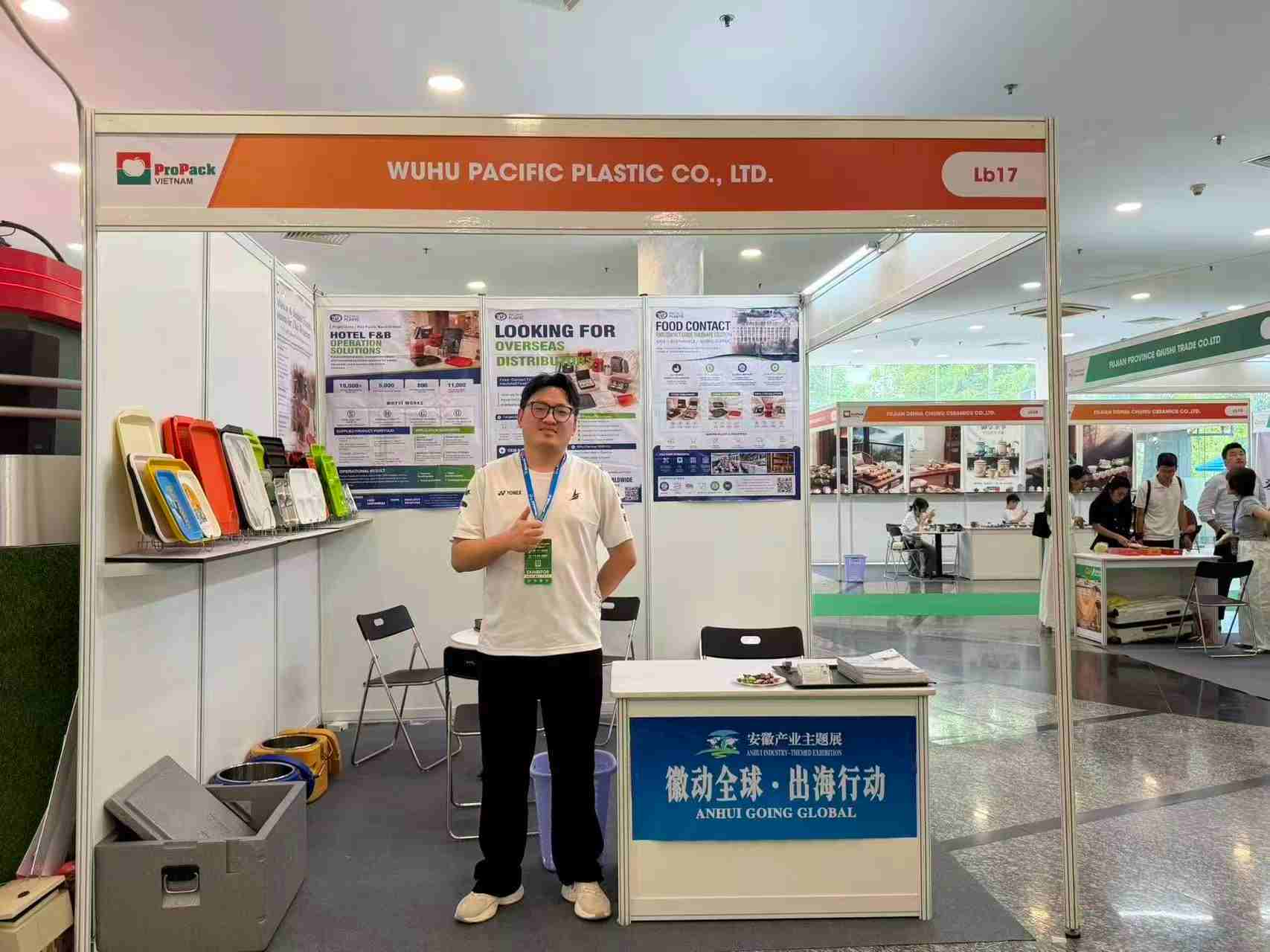
    Meeting the Needs of the Foodservice and Catering Industry Vietfood & Beverage – ProPack Vietnam 2026 brought together food manufacturers, distributors, catering suppliers, hospitality companies, and professional buyers in Ho Chi Minh City. During the exhibition, Wuhu Pacific Plastic Co., Ltd. presented a range of reusable foodservice products, including Plastic-Coated Lunch Boxes, Insulated Containers, EPP Insulated Buckets, Serving Trays, Compartment Trays, Stainless Steel Lunch Boxes & Plates, Executive Lunch Boxes, Compartment Lunch Boxes, Serving Plates, and Serving Bowls. These products are suitable for hotels, restaurants, schools, hospitals, factories, central kitchens, corporate cafeterias, and commercial catering operations. Plastic-Coated Lunch Boxes The Plastic-Coated Lunch Box combines a stainless steel inner container with a durable plastic outer structure. It is suitable for school meals, hospital catering, factory canteens, corporate dining, and reusable meal distribution. Different sizes, colors, compartment designs, lids, and logos can be customized according to project requirements. Insulated Containers and EPP Insulated Buckets Insulated Containers and EPP Insulated Buckets are designed for food storage and transportation in central kitchens, catering companies, schools, hospitals, and other institutional foodservice operations. Their lightweight and reusable design makes them practical for repeated food delivery and catering use. Serving Trays and Compartment Trays A commercial Serving Tray helps staff transport plates, bowls, cups, lunch boxes, and drinks efficiently. Pacific Plastic supplies standard serving trays, anti-slip trays, cafeteria trays, and Compartment Trays for organized meal service. Sizes, colors, surface textures, and logos can be customized for different foodservice projects. Stainless Steel Lunch Boxes & Plates The Stainless Steel Lunch Box & Plate is designed for repeated daily use in schools, hospitals, factories, canteens, and catering projects. Single-compartment and multi-compartment designs are available according to meal portions and menu requirements. Executive and Compartment Lunch Boxes The Executive Lunch Box and Compartment Lunch Box are suitable for corporate dining, catering, takeaway meals, and institutional food distribution. Different capacities, compartment layouts, colors, lids, logos, and packaging options can be customized. Custom Manufacturing Support Pacific Plastic provides standard and customized foodservice products for B2B buyers. Customization options include product size, capacity, color, compartment design, surface texture, logo, and packaging. In addition to lunch boxes and serving trays, we also supply Serving Plates, Serving Bowls, Insulated Containers, and other reusable commercial tableware products. Conclusion ProPack Vietnam 2026 provided Pacific Plastic with an opportunity to connect with foodservice buyers, distributors, and catering partners in Vietnam and Southeast Asia. For businesses looking for reusable foodservice products, Pacific Plastic provides OEM, ODM, private-label, and customized manufacturing support.
    Read More
  • Pacific Plastic at FHI 2026 | Stainless Steel Lunch Box and Serving Tray Manufacturer
    Pacific Plastic at FHI 2026 | Stainless Steel Lunch Box and Serving Tray Manufacturer
    Jul 29, 2026
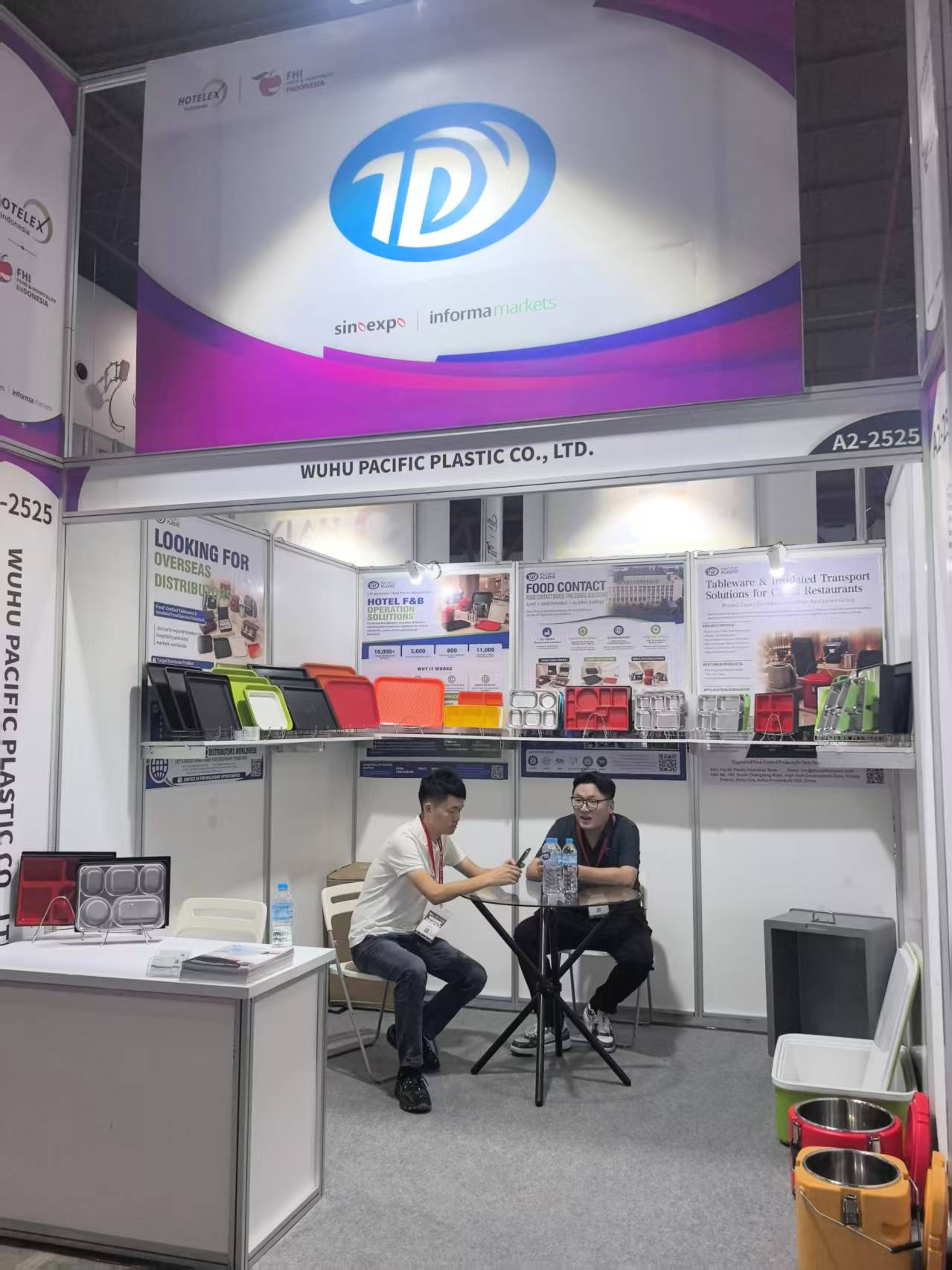
    Meeting the Needs of the Hospitality and Catering Industry Food & Hospitality Indonesia 2026 brought together suppliers, distributors, hotel operators, restaurant groups, catering companies, and institutional foodservice buyers in Jakarta. The exhibition provided an important platform for companies to explore new products, discuss sourcing requirements, and understand the changing needs of the Southeast Asian hospitality and catering market. During FHI 2026, Pacific Plastic presented a range of reusable foodservice products, including the Stainless Steel Lunch Box, Serving Tray, and Plastic-Coated Lunch Box. These products are designed for hotels, restaurants, schools, hospitals, factories, central kitchens, corporate cafeterias, and commercial catering operations. Stainless Steel Lunch Boxes for Repeated Foodservice Use The Stainless Steel Lunch Box is widely used in commercial and institutional catering because it is durable, reusable, and suitable for frequent daily handling. In schools, hospitals, factories, and company cafeterias, lunch boxes may be used several times each day. They need to support meal preparation, portion control, transportation, serving, washing, and storage. A well-designed Stainless Steel Lunch Box can provide a stable food-contact surface and help separate different meal components. Depending on the application, stainless steel lunch boxes can be produced with single or multiple compartments. Supporting Organized Meal Distribution Commercial Tableware Solutions at FHI 2026 July 29, 2026 Foodservice Products for Hospitality and Catering At FHI 2026 in Jakarta, Pacific Plastic presented reusable tableware solutions for hotels, restaurants, central kitchens, schools, hospitals, factories, and institutional catering projects. The main products included the Stainless Steel Lunch Box, Serving Tray, and Plastic-Coated Lunch Box. These products are designed for repeated daily use, organized meal distribution, and efficient foodservice operations. Stainless Steel Lunch Box for Daily Meal Service The Stainless Steel Lunch Box is suitable for school meals, hospital catering, factory canteens, corporate dining, and commercial food distribution. Its durable stainless steel structure supports repeated washing, stacking, storage, and transportation. Single-compartment and multi-compartment designs can be selected according to meal portions and menu requirements. A well-designed Stainless Steel Lunch Box helps keep rice, vegetables, meat, and side dishes organized during meal preparation and service. Serving Tray for Hotels and Restaurants A commercial Serving Tray helps staff carry plates, bowls, cups, lunch boxes, drinks, and cutlery safely and efficiently. Pacific Plastic provides different tray options, including cafeteria trays, anti-slip trays, fast-food trays, and compartment trays. Stackable designs help reduce storage space, while textured or anti-slip surfaces can improve stability during transport and serving. The size, color, surface texture, edge design, logo, and packaging of each Serving Tray can be customized. Plastic-Coated Lunch Box for Institutional Catering A Plastic-Coated Lunch Box combines a stainless steel inner container with a plastic outer structure. The stainless steel section holds the food, while the plastic outer layer can provide additional protection, handles, lids, locking features, and color options. This product is suitable for schools, hospitals, factories, business lunch services, and reusable meal distribution systems. Different colors of Plastic-Coated Lunch Box products can also help identify meal types, departments, delivery routes, or special dietary requirements. Custom Manufacturing Support Pacific Plastic provides standard and customized foodservice products for B2B buyers. Available customization options include: Product sizeColorCapacityCompartment designSurface textureLogo decorationPackaging In addition to the Stainless Steel Lunch Box, Serving Tray, and Plastic-Coated Lunch Box, Pacific Plastic also supplies plates, bowls, cups, compartment trays, insulated food containers, and other commercial tableware products. Conclusion FHI 2026 provided an opportunity for Pacific Plastic to connect with hospitality and catering buyers in Indonesia and Southeast Asia.For businesses looking for durable and reusable tableware solutions, Pacific Plastic provides OEM, ODM, private-label, and custom product development support.
    Read More
  • Plastic Trays for Central Kitchen Food Distribution
    Plastic Trays for Central Kitchen Food Distribution
    Jun 26, 2026
    Why Central Kitchens Need Reliable Tray Solutions Central kitchens play an important role in modern foodservice systems. They support meal preparation, food sorting, batch distribution, and daily delivery management for schools, hospitals, factories, airlines, chain restaurants, and institutional dining programs. A tray used in a central kitchen is not only a container for food. It is part of the entire food distribution system. From preparation areas to packing lines, from storage racks to delivery carts, trays help organize food, improve workflow efficiency, and reduce handling confusion during large-scale meal service. For this reason, choosing the right plastic tray for central kitchen applications is important for foodservice operators and project buyers.   PP Material for Central Kitchen Use PP trays are commonly used in central kitchen environments because they are lightweight, reusable, and suitable for food-contact applications when produced according to relevant standards. Compared with heavy or fragile tray options, PP plastic trays are easier to handle during sorting, stacking, cleaning, and transportation. This makes them practical for daily high-frequency use.   Improving Food Preparation and Distribution Efficiency Central kitchens often work under tight time schedules. Meals need to be prepared, portioned, packed, and distributed quickly. A well-designed tray can help improve operational flow by keeping food containers, meal boxes, bowls, cups, and cutlery organized during each step. For staff, this reduces unnecessary movement and helps maintain a cleaner working process.   Stackable Design for High-Volume Operations One key requirement for central kitchen trays is stackability. In large-volume meal production, hundreds or even thousands of trays may be used every day. Stackable plastic trays help save storage space and make tray movement more efficient. They can be placed on racks, carts, shelves, or cleaning areas without taking up excessive space.   Durable Trays for Repeated Daily Use Durability is another major factor. Central kitchen trays are repeatedly used, washed, moved, and stacked. A durable PP tray can support daily operation while reducing the risk of frequent replacement. For commercial buyers, this helps control long-term operating costs and improves product life cycle value.   Reusable Food Service Tray Applications A reusable food service tray is suitable for meal distribution programs that require consistent performance. In schools, hospitals, factories, and corporate cafeterias, trays are often used in fixed meal systems. They need to match food containers, insulated boxes, delivery carts, and washing procedures. When tray size and structure are properly selected, the whole system becomes easier to manage.   Surface Design and Cleaning Efficiency Surface design is also important. A smooth surface can support easier cleaning, while a textured surface may help improve grip and reduce sliding during handling. In central kitchen operations, tray design should match the actual working environment, including wet areas, food preparation lines, and transport zones.   Color Customization for Meal Sorting For central kitchens that manage multiple meal types, color customization can also be useful. Different tray colors can help identify meal categories, service areas, departments, or delivery routes. This can reduce mistakes during sorting and improve visual management in busy operations.   Pacific Plastic Tray Manufacturing Capability Pacific Plastic manufactures food-contact plastic products for commercial foodservice, institutional dining, and central kitchen applications. Our tray products can be developed based on customer requirements for size, color, surface texture, edge design, stacking performance, and logo decoration.   Custom Plastic Tray Development For project-based buyers, customization is often necessary. A custom plastic tray manufacturer can support product development according to actual use conditions, including tray dimensions, food-contact requirements, temperature conditions, packing method, and delivery system compatibility. In addition to standard plastic trays, Pacific Plastic also provides related products such as plastic plates, bowls, cups, lunch boxes, insulated food containers, and foodservice tableware solutions. This allows buyers to build a more complete product system for central kitchen and institutional dining projects.   How to Choose the Right Tray for Central Kitchens When selecting trays for central kitchen use, buyers should consider several practical points: Tray size Material Food-contact safety Stackability Edge strength Surface design Cleaning method Storage method Daily usage frequency A tray that looks simple may have a direct impact on kitchen efficiency and distribution management.   Conclusion As central kitchen systems continue to expand in schools, hospitals, corporate dining, airline catering, and chain restaurant supply, plastic trays remain an important product category. They help support organized meal preparation, efficient distribution, and stable daily operation. For businesses looking for reliable tray solutions for central kitchen food distribution, Pacific Plastic provides manufacturing support for standard products and customized tray development.  
    Read More
  • Plastic Serving Trays for Fast Food Restaurants
    Plastic Serving Trays for Fast Food Restaurants
    Jun 26, 2026
    Why Fast Food Restaurants Need Practical Tray Solutions Fast food restaurants depend on speed, consistency, cleanliness, and efficient customer service. From counter service to self-service dining areas, trays are used every day to carry meals, drinks, side dishes, packaging, and tableware. A suitable tray can help improve service flow, support brand image, and make the dining experience more organized. In fast food operations, every detail matters. Customers expect quick service, easy carrying, and clean presentation. Staff need products that are simple to stack, distribute, collect, and clean. This is why a practical fast food serving tray is an important part of restaurant tableware and service equipment.   Why Plastic Trays Are Used in Fast Food Service Plastic trays are widely used in fast food restaurants because they are lightweight, reusable, and suitable for high-frequency use. Compared with disposable alternatives, reusable plastic trays can support long-term restaurant operation and reduce repeated purchasing pressure. For chain restaurants and quick-service dining brands, stable tray quality also helps maintain consistent service standards across different locations.   PP Material for Quick-Service Restaurants PP material is a common choice for fast food tray production. PP, also known as polypropylene, offers a good balance of weight, usability, and production flexibility. A PP tray is easy to handle, stack, and clean, making it suitable for busy restaurant environments where trays are used continuously during breakfast, lunch, dinner, and peak-hour service.   Lightweight Design for Customers and Staff One major advantage of a reusable plastic food tray is its lightweight structure. Customers can easily carry meals from the counter to the table, while staff can quickly collect and stack used trays after service. This helps improve table turnover and keeps the dining area more organized.   Stackable Trays for Better Restaurant Management Fast food restaurants also need trays with good stacking performance. At the service counter, trays must be easy to pick up one by one. In the cleaning area, trays should stack neatly after washing. In storage areas, stackable trays help save space and make daily restaurant management easier.   Surface Design for Meal Stability Surface design is another important factor. A tray surface should support stable placement of burgers, fries, drinks, bowls, plates, or packaged meals. Depending on the restaurant’s needs, the tray can be designed with a smooth surface for easy cleaning or a textured surface to improve grip. Custom Colors and Logo Branding Color and appearance also matter in fast food environments. Trays are part of the customer-facing dining experience. Custom colors can match restaurant branding, while logo printing can help strengthen brand recognition. For chain restaurants, consistent tray design can support a unified visual identity across multiple stores.   Durable Trays for High-Frequency Use Durability is especially important for quick-service restaurants. Trays are handled frequently by both customers and staff. They may be stacked, dropped, washed, and reused many times. A durable plastic tray can help reduce replacement frequency and support more stable operating costs.   Pacific Plastic Tray Manufacturing Support Pacific Plastic manufactures food-contact plastic trays and reusable tableware products for foodservice, hospitality, catering, institutional dining, and restaurant chain applications. For fast food restaurant tray projects, we can support standard tray production as well as customized development based on brand and operational requirements.   Plastic Tray Supplier for Restaurants As a plastic tray supplier for restaurants, Pacific Plastic can provide support for material selection, tray size planning, color customization, logo decoration, surface texture, mold development, quality control, and bulk production. Our product range also includes plates, bowls, cups, lunch boxes, insulated food containers, and other reusable plastic foodservice products.   How to Choose Fast Food Restaurant Trays When choosing trays for fast food restaurants, buyers should consider: Tray size Tray weight Stacking performance Surface texture Cleaning method Brand color Logo requirements Daily usage volume Stable supply capacity Consistent production quality For chain restaurant buyers, stable supply and consistent quality are especially important.   Common Application Scenarios Plastic serving trays are suitable for many fast food scenarios, including: Burger restaurants Sandwich shops Fried chicken stores Pizza shops Self-service restaurants Food courts Coffee shops Quick-service dining chains They can be used for dine-in service, counter pickup, meal organization, and tray return systems.   Conclusion As fast food restaurants continue to focus on speed, customer experience, and operating efficiency, reusable plastic trays remain a practical solution. They support daily restaurant service while helping businesses maintain organized, clean, and consistent dining environments. For restaurant brands, distributors, and foodservice project buyers looking for fast food serving trays, Pacific Plastic provides practical manufacturing support for both standard and customized plastic tray solutions.
    Read More
  • PP Serving Tray for Foodservice, Hospitality, and Institutional Dining
    PP Serving Tray for Foodservice, Hospitality, and Institutional Dining
    Jun 26, 2026
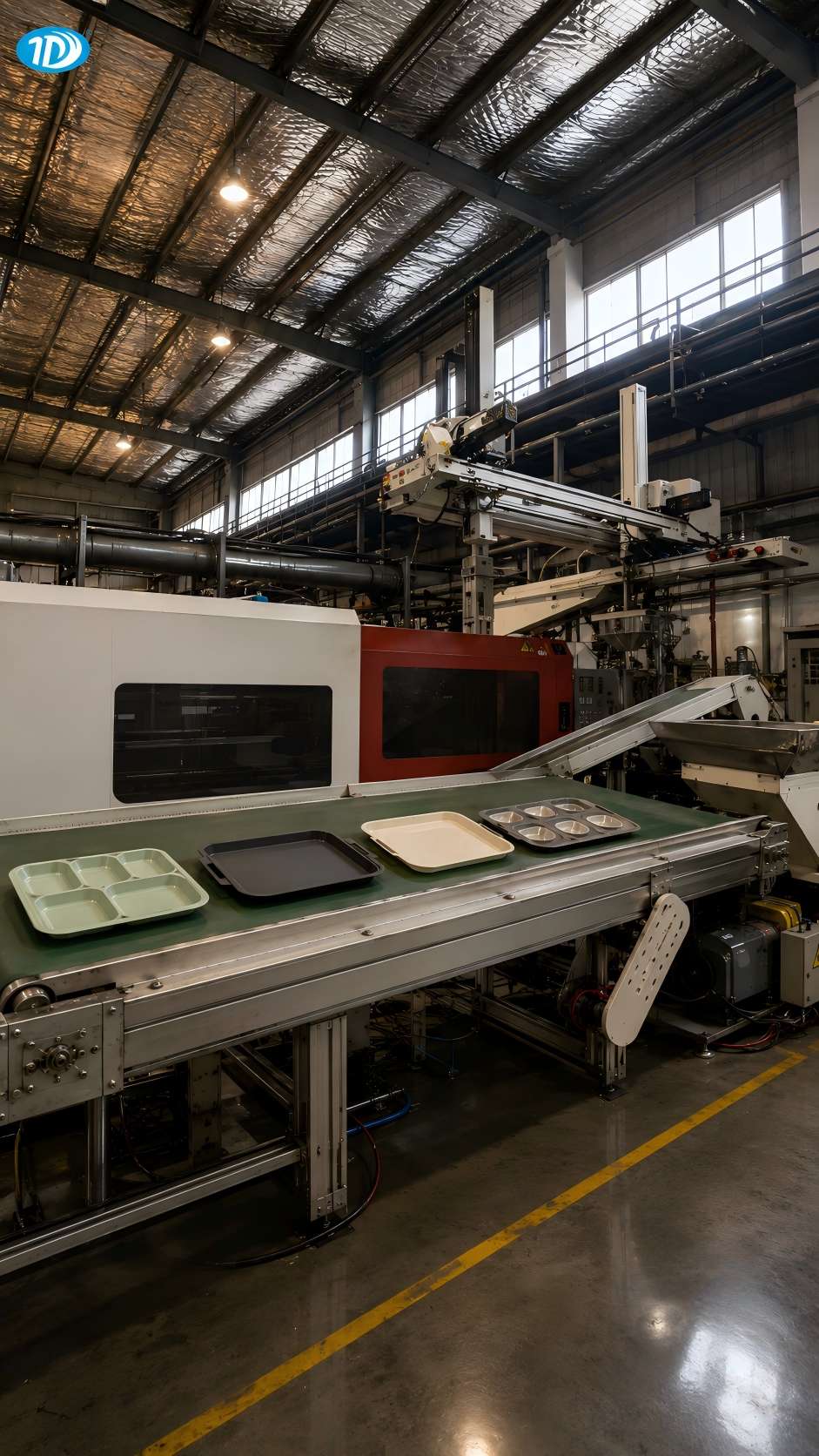
    PP Serving Tray for Foodservice and Hospitality Use | Pacific Plastic   Discover how PP serving trays support foodservice, hospitality, catering, schools, central kitchens, and institutional dining with lightweight, reusable, and food-contact plastic solutions. In modern foodservice environments, serving trays are more than simple tableware accessories. They are part of daily service efficiency, food presentation, hygiene management, and long-term operating cost control. For restaurants, hotels, cafeterias, schools, hospitals, catering companies, and central kitchens, choosing the right tray material can directly affect durability, handling comfort, cleaning efficiency, and user experience. Among different plastic materials, PP serving trays have become a practical choice for many commercial dining and institutional food service applications. PP, also known as polypropylene, is widely used in food-contact plastic products because of its balanced performance, lightweight structure, and suitability for repeated daily use. At Pacific Plastic, we focus on manufacturing food-contact plastic tableware and reusable serving solutions for commercial and institutional use. Our PP serving tray products are designed to support stable performance in high-frequency dining environments.   What Is a PP Serving Tray? A PP serving tray is a reusable plastic tray made from polypropylene material. It is commonly used for carrying meals, drinks, tableware, packaged food, and prepared dishes in foodservice operations. Compared with single-use alternatives, reusable PP trays are better suited for businesses that need consistent supply, repeated washing, and long-term cost control. Their lightweight structure makes them easy for staff and end users to handle, while the material supports practical performance for daily food service. Common applications include: · Restaurant serving trays · Hotel breakfast trays · Cafeteria food trays · School dining trays · Hospital meal service trays · Catering service trays · Central kitchen distribution trays · Institutional dining trays For B2B buyers, the key value of a PP plastic serving tray is not only the product itself, but also its ability to fit into an organized food service system.   Why PP Material Is Suitable for Serving Trays PP material offers several advantages for commercial serving tray production. First, PP is lightweight. In busy foodservice locations, trays are handled repeatedly throughout the day. A lightweight plastic serving tray can reduce handling pressure for staff and improve service flow. Second, PP offers good impact resistance for daily use. In cafeterias, canteens, and catering operations, trays may be stacked, moved, cleaned, and reused many times. A well-designed PP serving tray can help reduce breakage compared with more fragile materials. Third, PP is suitable for food-contact applications when produced according to relevant food safety requirements. This makes it a common material for food trays, meal trays, reusable lunch boxes, and other plastic tableware products. Fourth, PP trays can be produced in different colors, sizes, surface textures, and structural designs. This gives foodservice operators more flexibility when building product systems for different meal programs, dining areas, or brand requirements.   Key Benefits of Reusable PP Serving Trays 1. Lightweight for Daily Handling A reusable PP serving tray is easy to carry, stack, and distribute. This is especially important for schools, hospitals, corporate cafeterias, and central kitchens where large quantities of trays are used every day. 2. Practical for High-Frequency Foodservice Use Commercial foodservice environments need products that can handle repeated use. PP plastic trays are commonly selected for meal service because they can support daily washing, storage, transport, and serving operations. 3. Suitable for Multiple Dining Scenarios PP serving trays are versatile. They can be used in hotels, restaurants, fast food chains, staff canteens, educational institutions, healthcare dining systems, airline catering, and food distribution programs. 4. Customizable for Brand and Project Needs For OEM and ODM projects, PP trays can be customized by size, color, surface finish, logo placement, and structural design. This makes them suitable for hospitality groups, catering companies, distributors, and institutional procurement projects. 5. Stackable Design for Storage Efficiency A stackable plastic serving tray helps save storage space and improves warehouse or kitchen organization. For high-volume operators, efficient stacking is an important detail that affects daily management.   PP Serving Tray Applications Hotel and Hospitality Dining Hotels often require serving trays for breakfast areas, room service, buffet service, and staff dining. A PP serving tray provides a clean, lightweight, and reusable solution that fits different hospitality service areas. Restaurant and Catering Service Restaurants and catering companies need trays that are easy to carry and simple to clean. PP plastic serving trays can be used for meal delivery, self-service areas, event catering, and prepared food handling. School and University Cafeterias In educational dining environments, trays are used in large quantities. A durable cafeteria serving tray helps improve meal distribution efficiency while supporting repeated daily use. Hospital and Healthcare Meal Service Hospitals and healthcare institutions require organized meal service systems. PP meal trays can help support food delivery, patient dining, staff cafeterias, and centralized meal preparation. Central Kitchen and Food Distribution Central kitchens need products that work well with batch preparation, sorting, storage, and transport. PP serving trays can be integrated into meal distribution systems for prepared food operations.   How to Choose the Right PP Serving Tray When selecting a PP serving tray for commercial use, buyers should consider several key points. Size and Capacity The tray size should match the intended meal format. For cafeteria use, the tray needs enough space for plates, bowls, cups, and cutlery. For hotel or restaurant service, the size may depend on serving style and table layout. Surface Design A smooth surface is easy to clean, while a textured surface may improve grip and reduce sliding. The right surface design depends on the actual foodservice environment. Edge and Corner Structure Rounded corners and reinforced edges can improve handling comfort and product durability. This is important for trays used in schools, hospitals, and institutional dining. Stacking Performance For large-volume use, stackable trays can reduce storage space and improve logistics efficiency. Buyers should check whether the tray stacks neatly and separates easily during service. Customization Requirements For brand owners, distributors, and project-based procurement, customization may include color matching, logo printing, mold development, and packaging design. Pacific Plastic PP Serving Tray Manufacturing Pacific Plastic manufactures food-contact plastic products for commercial foodservice, hospitality, catering, institutional dining, and customized plastic projects. Our product range includes plastic trays, plates, bowls, cups, lunch boxes, insulated food containers, and other reusable tableware solutions. For PP serving tray projects, we can support: · Standard PP plastic serving tray production · Custom tray size and structure development · Color customization · Logo decoration · OEM and ODM manufacturing · Food-contact plastic product solutions · Bulk supply for foodservice and institutional projects Our production system covers mold management, injection molding, surface processing, assembly, quality control, warehousing, and delivery coordination. This allows us to support both standard product orders and customized project requirements.   PP Serving Tray vs Other Tray Materials Different tray materials have different advantages. Melamine trays offer a hard surface and a premium appearance. ABS trays can provide strong structural support for non-direct food-contact applications. Stainless steel trays are commonly used in certain kitchen or industrial food environments. PP serving trays are often selected when buyers need a lightweight, reusable, cost-effective, and food-contact plastic tray for daily commercial use. For many foodservice and institutional dining programs, PP offers a practical balance between performance, weight, customization, and production efficiency.
    Read More

leave a message

leave a message
If you are interested in our products and want to know more details,please leave a message here,we will reply you as soon as we can.
Contact us:arthur@ahpacificplastic.com

Home

Products

WhatsApp

contact