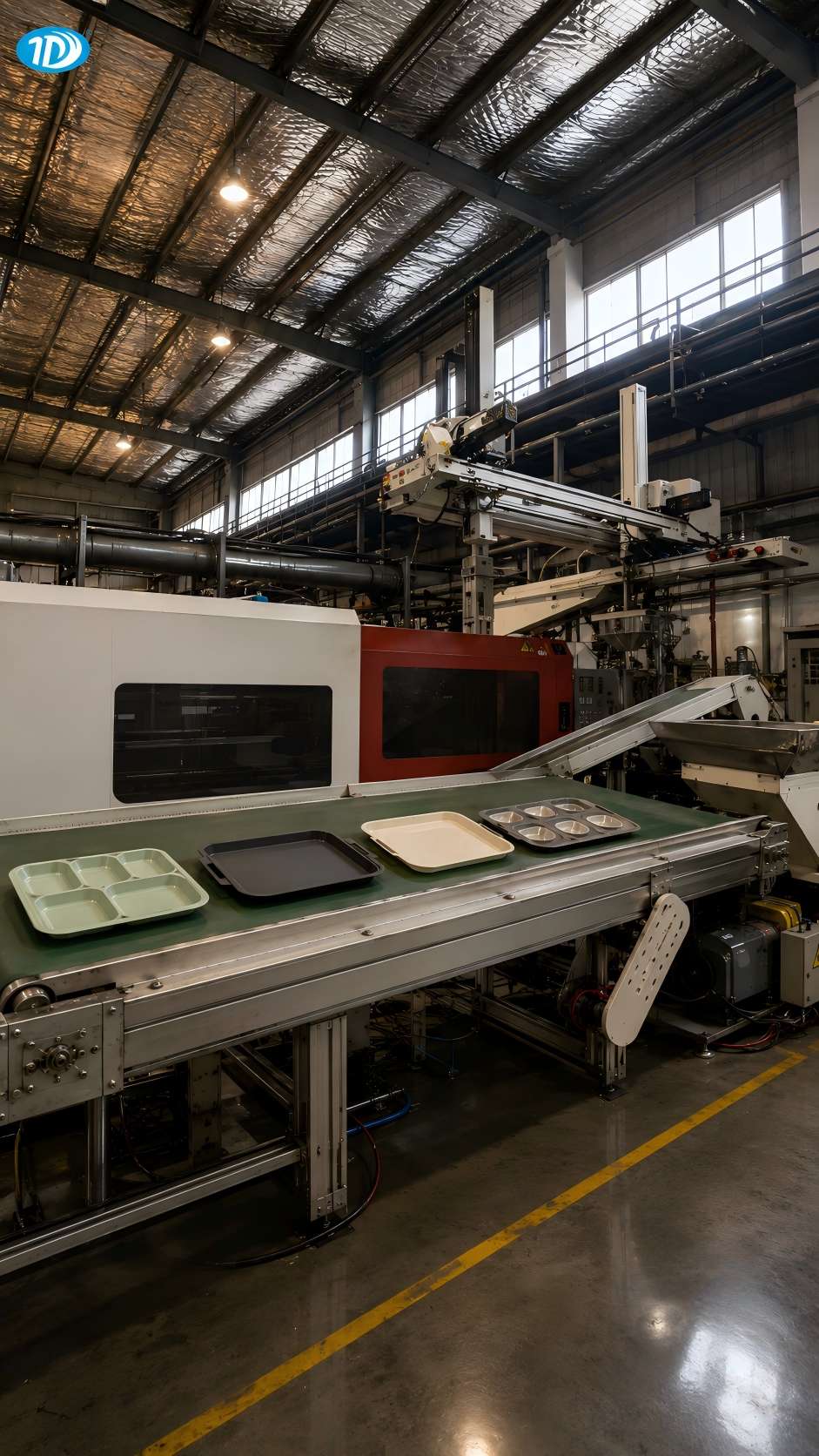
Best Types of Materials for Durable Serving Trays
Aug 25, 2026
Serving trays are widely used in restaurants, hotels, cafeterias, hospitals, schools, catering operations, and other commercial foodservice environments. Since trays are handled, stacked, washed, and transported frequently, selecting the right material is essential for long-term performance.
The best serving tray material depends on its application, required durability, temperature resistance, cleaning method, appearance, and budget. Below are four common materials used for durable commercial serving trays.
1. Polypropylene (PP)
Polypropylene is one of the most widely used materials for commercial serving trays. It offers a practical balance between durability, low weight, chemical resistance, and cost.
PP serving trays are resistant to moisture and many common cleaning chemicals. They are also easy to clean and suitable for repeated daily use. Their lightweight construction makes them convenient for high-volume operations such as school cafeterias, staff canteens, hospitals, and quick-service restaurants.
A serving tray with compartments is commonly produced from PP because the material can be molded into different shapes and compartment configurations. This helps separate main dishes, side dishes, fruit, and other food items during meal service.
Main advantages include:
Lightweight and easy to carry
Good impact resistance
Resistant to moisture and common chemicals
Suitable for different colors and molded structures
Cost-effective for large-volume purchasing
Recyclable under appropriate local systems
PP is often the preferred option for buyers seeking practical and economical trays for institutional catering.
2. ABS Plastic
ABS is an engineering plastic known for its rigidity, dimensional stability, and impact resistance. Compared with standard PP, ABS trays generally provide a more solid feel and a smoother surface.
This material is well suited to hotel rooms, restaurants, cafés, catering operations, and foodservice environments where both appearance and structural strength are important. An ABS serving tray with handles can provide a firm grip and stable support when carrying beverages, tableware, or packaged food.
Main advantages include:
High rigidity and structural stability
Good impact resistance
Smooth and professional appearance
Suitable for molded handles and raised edges
Available in different colors and finishes
When selecting ABS trays for foodservice applications, buyers should confirm the intended food-contact conditions and applicable regulatory requirements with the manufacturer.
3. Melamine
Melamine serving trays provide a hard surface and a refined appearance. They are commonly selected for restaurants, hotels, buffets, cafés, and presentation-focused foodservice environments.
Melamine can reproduce different colors, patterns, and surface effects, making it suitable for businesses that require trays to match a particular interior or brand style.
Main advantages include:
Hard and smooth surface
Good scratch resistance during normal use
Wide range of colors and decorative patterns
Premium appearance
Easy-to-clean construction
Melamine trays should be used according to the manufacturer’s temperature and cleaning instructions. They are generally not intended for microwave use.
4. Stainless Steel
Stainless steel is suitable for environments that prioritize strength, hygiene, and long-term service life. It is commonly used in hospitals, schools, military facilities, industrial canteens, central kitchens, and institutional catering.
A stainless steel serving tray with compartments provides a rigid meal-service solution that can withstand frequent washing and intensive handling. Stainless steel trays are heavier than plastic alternatives, but they offer excellent resistance to corrosion and deformation when the appropriate grade is selected.
Main advantages include:
High mechanical strength
Long service life
Corrosion-resistant surface
Easy to clean and sanitize
Suitable for demanding institutional applications
Stainless steel is a strong choice when durability is more important than product weight or decorative flexibility.
How to Choose the Right Serving Tray Material
Before placing a serving tray wholesale order, buyers should evaluate the actual operating environment.
Application
Cafeterias and institutional kitchens may prefer PP or stainless steel, while hotels and restaurants may select ABS or melamine for a more refined appearance.
Load Requirements
For heavier plates and tableware, rigid ABS or stainless steel trays may provide better structural support.
Handling Design
A serving tray with handles is convenient for room service, beverage service, household use, and catering. Molded handles should be comfortable, properly positioned, and strong enough for the expected load.
Meal Organization
A serving tray with compartments helps standardize meal portions and keep different foods separated. It is particularly useful in schools, hospitals, staff canteens, and institutional meal programs.
Cleaning Conditions
The selected material must be compatible with the buyer’s washing temperature, detergent, sanitizing process, and dishwasher system.
Customization Requirements
Commercial buyers may require customized colors, dimensions, logos, anti-slip surfaces, handles, or compartment layouts. These requirements should be confirmed before tooling or mass production.
What to Confirm When Buying Serving Trays Wholesale
When sourcing serving tray wholesale quantities, price should not be the only consideration. Buyers should also confirm:
Raw material specifications
Product dimensions and weight
Load and impact performance
Food-contact compliance requirements
Dishwasher and cleaning compatibility
Color consistency
Stackability and storage efficiency
Packaging method
Logo and OEM/ODM options
Quality-control procedures
Production capacity and delivery schedule
Samples should be evaluated under actual operating conditions before confirming a large order.
Conclusion
There is no single material suitable for every serving tray application. PP offers lightweight and economical performance, ABS provides rigidity and a professional appearance, melamine supports decorative presentation, and stainless steel delivers excellent strength and service life.
Pacific Plastic manufactures commercial serving trays for hotels, restaurants, cafeterias, schools, hospitals, central kitchens, and catering operations. Available options include standard serving trays, anti-slip trays, trays with handles, and compartment trays. OEM/ODM support is available for customized dimensions, colors, structures, logos, and packaging.
Contact Pacific Plastic to discuss your application requirements or request samples and a wholesale quotation.
Read More